Pituitary Tumours: Symptoms, Causes, Diagnosis, and Treatment Options
Introduction
The pituitary gland, often called the "master gland," plays a crucial role in regulating vital body functions. When tumours develop in this tiny but powerful gland, they can significantly impact your health. This comprehensive guide explores everything you need to know about pituitary tumours, from early symptoms to treatment options.
What is the Pituitary Gland and What Does It Do?
Understanding the Master Gland
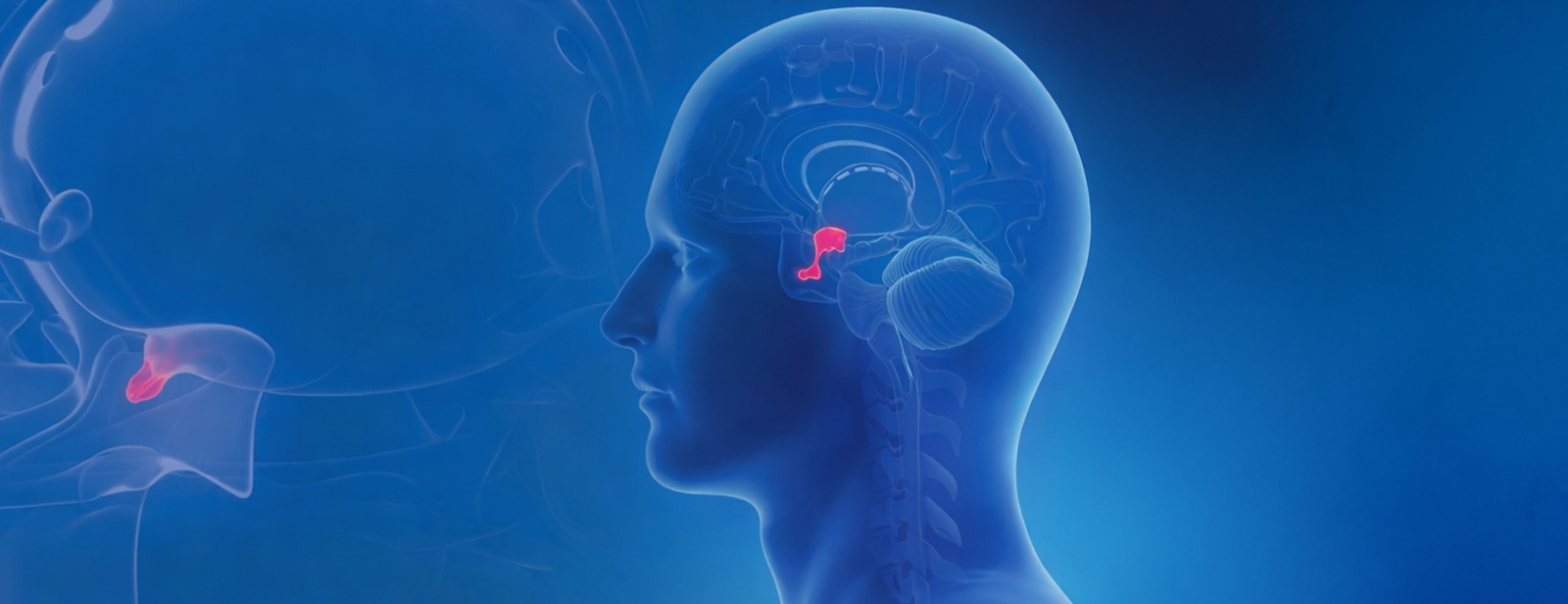
The pituitary gland is a pea-sized organ located at the base of your brain, nestled in a small bony cavity called the sella turcica. Despite its small size (approximately 1 centimeter in diameter), this endocrine gland controls numerous essential bodily functions.
Key Functions of the Pituitary Gland
The pituitary gland produces and releases several critical hormones that regulate:
- Growth and development through growth hormone (GH)
- Thyroid function via thyroid-stimulating hormone (TSH)
- Reproductive health through luteinizing hormone (LH) and follicle-stimulating hormone (FSH)
- Adrenal gland activity using adrenocorticotropic hormone (ACTH)
- Breast milk production with prolactin
- Water balance through antidiuretic hormone (ADH)
The gland consists of two main parts: the anterior (front) lobe and the posterior (back) lobe, each producing different hormones that maintain your body's delicate hormonal balance.
What Are Pituitary Tumours?
Types of Pituitary Tumours
Pituitary tumours are abnormal growths that develop in the pituitary gland. The vast majority (over 99%) are benign (non-cancerous), meaning they don't spread to other parts of the body. However, they can still cause serious health problems.
Pituitary tumours are classified in two ways:
By Size:
- Microadenomas: Smaller than 10mm in diameter
- Macroadenomas: Larger than 10mm in diameter
By Hormone Production:
- Functioning tumours: Produce excess hormones
- Non-functioning tumours: Don't produce hormones but may cause problems through their size
How Common Are Pituitary Tumours?
Pituitary adenomas are more common than many people realize, affecting approximately 1 in 1,000 people. They can occur at any age but are most frequently diagnosed in adults between 30 and 60 years old.
Causes of Pituitary Tumours
What Triggers Pituitary Tumour Development?
The exact cause of most pituitary tumours remains unknown. However, research has identified several contributing factors:
Genetic Factors
- Multiple endocrine neoplasia type 1 (MEN1): A rare inherited condition
- Familial isolated pituitary adenoma (FIPA)
- Carney complex
- McCune-Albright syndrome
Cellular Changes: Most pituitary tumours develop due to spontaneous DNA changes in pituitary cells that cause uncontrolled cell growth. These mutations are typically not inherited and occur randomly.
Risk Factors: While most people have no identifiable risk factors, certain conditions may increase susceptibility:
- Family history of pituitary disorders
- Certain genetic syndromes
- Previous radiation exposure to the head
Pituitary Tumour Symptoms
Recognizing the Warning Signs
Symptoms of pituitary tumours vary depending on the tumour's size, type, and whether it produces hormones. Many people experience no symptoms initially, especially with small tumours.
Symptoms from Hormone Overproduction
Prolactin-secreting tumours (Prolactinomas):
- Irregular or absent menstrual periods in women
- Unexpected breast milk production
- Erectile dysfunction in men
- Decreased libido
- Infertility
Growth hormone-secreting tumours:
- Enlarged hands, feet, and facial features (acromegaly in adults)
- Excessive height (gigantism in children)
- Joint pain and arthritis
- Excessive sweating
- Deepening voice
ACTH-secreting tumours (Cushing's disease):
- Weight gain, especially around the midsection
- Round, red face
- Easy bruising
- High blood pressure
- Diabetes
- Muscle weakness
- Purple stretch marks
TSH-secreting tumours:
- Weight loss
- Rapid heartbeat
- Nervousness and anxiety
- Excessive sweating
Symptoms from Tumour Size (Mass Effect)
Large pituitary tumours can press on surrounding structures, causing:
- Vision problems: Blurred vision, loss of peripheral vision, double vision
- Headaches: Often persistent and localized behind the eyes
- Hormone deficiencies: Due to compression of normal pituitary tissue
- Nausea and vomiting
- Fatigue and weakness
- Unexplained weight changes
- Cold sensitivity
Diagnosis of Pituitary Tumours
How Are Pituitary Tumours Detected?
Early diagnosis is crucial for effective treatment. The diagnostic process typically involves:
Medical History and Physical Examination
Your doctor will review your symptoms, medical history, and family history, and perform a thorough physical examination, checking for signs of hormonal imbalance.
Hormone Blood Tests
Comprehensive blood tests measure levels of:
- Prolactin
- Growth hormone and IGF-1
- ACTH and cortisol
- TSH and thyroid hormones
- LH, FSH, and sex hormones
Imaging Studies
MRI (Magnetic Resonance Imaging): The gold standard for visualizing pituitary tumours, providing detailed images of the gland and surrounding structures.
CT Scan (Computed Tomography): Used when MRI is not available or contraindicated, though less detailed for soft tissue.
Vision Testing
Formal visual field testing detects any vision loss caused by tumour pressure on the optic nerves.
Additional Tests
- 24-hour urine collection: For cortisol measurement
- Stimulation or suppression tests: To evaluate hormone production
- Petrosal sinus sampling: In complex cases to locate ACTH-producing tumours
Treatment Options for Pituitary Tumours
Personalized Treatment Approaches
Treatment depends on tumour type, size, hormone production, symptoms, and overall health. Options include:
Medication
For Prolactinomas: Dopamine agonists (cabergoline, bromocriptine) effectively shrink tumours and normalize prolactin levels in most cases.
For Growth Hormone-secreting Tumours:
- Somatostatin analogs (octreotide, lanreotide)
- Growth hormone receptor antagonists (pegvisomant)
- Dopamine agonists
For ACTH-secreting Tumours: Medications that block cortisol production may be used before or after surgery.
Surgery
Transsphenoidal Surgery: The most common surgical approach, performed through the nose and sinuses to remove the tumour while minimizing brain tissue disruption. Success rates are high, especially for smaller tumours.
Craniotomy: Rarely needed for large tumours that cannot be accessed transsphenoidally.
Radiation Therapy
Used when surgery and medication are insufficient:
- Stereotactic radiosurgery: Precisely targeted radiation in a single session
- Conventional radiation therapy: Multiple smaller doses over several weeks
- Proton beam therapy: Advanced technique with minimal damage to surrounding tissue
Observation (Active Surveillance)
Small, non-functioning tumours causing no symptoms may be monitored with regular MRI scans and hormone testing.
Hormone Replacement Therapy
If the tumour or treatment damages normal pituitary tissue, lifelong hormone replacement may be necessary.
Prevention and Risk Reduction
Can Pituitary Tumours Be Prevented?
Since most pituitary tumours occur spontaneously without clear preventable causes, there are no guaranteed prevention methods. However, you can take proactive steps:
Genetic Counseling
If you have a family history of pituitary tumours or related genetic syndromes, genetic counseling and testing can help assess your risk and enable early monitoring.
Regular Health Screenings
Annual check-ups allow early detection of hormonal imbalances that might indicate a developing tumour.
Awareness of Symptoms
Recognizing early warning signs enables prompt medical attention, improving treatment outcomes.
Healthy Lifestyle
While not directly preventive, maintaining overall health through:
- Balanced nutrition
- Regular exercise
- Stress management
- Adequate sleep
These habits support your endocrine system and overall well-being.
Living with a Pituitary Tumour
Long-term Management
Many people with pituitary tumours lead normal, healthy lives with proper treatment and monitoring. Key aspects include:
- Regular follow-up: Ongoing MRI scans and hormone tests
- Medication adherence: Taking prescribed medications consistently
- Symptom monitoring: Reporting new or worsening symptoms promptly
- Support networks: Connecting with support groups and healthcare teams
Conclusion
Pituitary tumours, while concerning, are highly treatable when diagnosed early. Understanding the symptoms, seeking prompt medical attention, and working closely with specialized endocrinologists and neurosurgeons ensures the best possible outcomes. If you experience persistent headaches, vision changes, or unexplained hormonal symptoms, consult your healthcare provider for evaluation.
Remember: Early detection and appropriate treatment make a significant difference in managing pituitary tumours effectively.