Understanding Winter Illnesses: Medical Insights for a Healthier Season

Introduction
Winter brings cozy mornings, festive energy, and a refreshing drop in temperature. But along with all the seasonal charm, cold weather also triggers a significant rise in winter illnesses. From viral respiratory infections to seasonal flu outbreaks, the cold months pose increased health risks—especially for children, older adults, pregnant women, and individuals with chronic conditions.
This comprehensive guide explains what winter illnesses are, their symptoms, how they affect the human body, methods of diagnosis, treatment options, and evidence-based preventive strategies to protect yourself and your family.
This blog will help individuals searching for trusted healthcare information this winter.
What Are Winter Illnesses?
Winter illnesses refer to infections and medical conditions that become more common or severe during the colder months. The drop in temperature, reduced humidity, increased indoor crowding, and weakened immune defenses contribute to a higher spread of viruses and respiratory problems.
Common Winter Illnesses Include:
- Seasonal Influenza (Flu)
- Common Cold
- Pneumonia (viral or bacterial)
- Sinusitis
- Bronchitis
- Asthma exacerbations
- Tonsillitis and throat infections
- Norovirus and stomach flu
- Coronavirus
- Seasonal allergies in low-humidity environments
These conditions vary in severity—some cause mild discomfort, while others may require urgent medical care.
Why Winter Increases the Risk of Illness
Several physiological and environmental factors make winter a peak season for illness:
1. Viruses Survive Longer in Cold, Dry Air
Low humidity allows respiratory viruses—especially influenza and rhinovirus—to remain airborne longer, increasing transmission.
2. Indoor Crowding and Poor Ventilation
Staying indoors with closed windows enhances the spread of airborne and droplet infections.
3. Reduced Vitamin D Levels
Less sun exposure lowers vitamin D levels, weakening immune responses.
4. Constricted Airways
Cold air narrows breathing passages, increasing the risk of asthma attacks and respiratory symptoms.
5. Compromised Immunity
Stress, inadequate sleep, and temperature fluctuations make the body more vulnerable.
Most Common Winter Illnesses & Their Symptoms
Understanding symptoms helps in early detection and timely treatment.
1. Common Cold (Upper Respiratory Tract Infection)
Cause: Rhinoviruses, adenoviruses, and non-COVID coronaviruses.
What It Is: A mild viral infection affecting the nose and throat. Cold symptoms usually appear 1–3 days after exposure and last about a week.
How It Affects the Body:
- The virus infects the nasal lining
- Causes inflammation and mucus overproduction
- Triggers sore throat and congestion
Key Symptoms:
- Runny or blocked nose
- Sneezing
- Mild fever
- Sore throat
- Headache
Risk: Usually mild but can lead to sinusitis or ear infections.
2. Influenza (Seasonal Flu)
Cause: Influenza A & B viruses.
What It Is: A viral infection of the upper and lower respiratory tract.
How It Affects the Body:
- Attacks the respiratory lining
- Causes systemic inflammation
- Weakens lung function
- Can worsen existing heart or lung diseases
Key Symptoms:
- High fever
- Severe headache
- Muscle and body aches
- Persistent cough
- Fatigue
Why It’s Serious:
Flu can progress to pneumonia, respiratory failure, or myocarditis if untreated.
3. Pneumonia
Cause: Bacteria (e.g., Streptococcus pneumoniae), viruses (influenza, RSV), or fungi.
What It Is: A serious infection where lung air sacs fill with fluid or pus.
How It Affects the Body:
- Reduces oxygen exchange
- Causes inflammation of the lung tissue
- Leads to difficulty breathing and low oxygen levels
Key Symptoms:
- High fever
- Wet cough with phlegm
- Chest pain
- Breathlessness
- Rapid heart rate
Severity:
Pneumonia can be life-threatening in seniors, young children, and those with chronic illnesses.
4. Acute Bronchitis
Cause: Mostly viral; occasionally bacterial.
What It Is: Inflammation of the bronchial tubes.
How It Affects the Body:
- Airways swell and produce thick mucus
- Results in persistent cough and chest tightness
Key Symptoms:
- Cough lasting >2 weeks
- Wheezing
- Sore throat
- Chest discomfort
Risk:
More severe in smokers and people with asthma or COPD.
5. Sinusitis (Sinus Infection)
Cause: Viral or bacterial infection of the sinus cavities.
What It Is: Blockage or inflammation of the sinuses.
How It Affects the Body:
- Traps mucus inside the sinus cavities
- Causes facial pressure and headaches
- May lead to ear pain or postnasal drip
Key Symptoms:
- Facial pain
- Thick nasal mucus
- Decreased sense of smell
- Fever
6. Strep Throat (Streptococcal Pharyngitis)
Cause: Group A Streptococcus bacteria.
What It Is: A bacterial throat infection.
How It Affects the Body:
- Severe inflammation of the tonsils
- Difficulty swallowing
- Risk of rheumatic fever if untreated
Key Symptoms:
- Sharp sore throat without cough
- Swollen lymph nodes
- White patches on the tonsils
7. RSV (Respiratory Syncytial Virus)
Cause: RSV virus, common in infants and the elderly.
What It Is: A respiratory infection that may progress to bronchiolitis or pneumonia.
How It Affects the Body:
- Blocks tiny airways (bronchioles)
- Causes breathing difficulty in infants
Key Symptoms:
- Fast breathing
- Wheezing
- Feeding difficulty in infants
- Persistent cough
8. Asthma Exacerbations (Winter-Triggered)
Not an infection, but cold air triggers asthma flare-ups.
Causes: Cold weather, viral infections, and indoor allergens.
How It Affects the Body:
- Airways tighten (bronchospasm)
- Increased mucus
- Severe breathing difficulty
Key Symptoms:
- Wheezing
- Shortness of breath
- Chest tightness
9. Coronavirus (Seasonal Spikes)
Still present globally with winter surges.
Cause: SARS-CoV-2 virus
How It Affects the Body:
- Damages the airway and lung tissue
- Causes inflammation throughout the body
Key Symptoms:
- Fever
- Shortness of breath
- Loss of smell
- Cough
10. Norovirus (Stomach Flu / Winter Vomiting Disease)
Cause: Norovirus—a highly contagious virus that spreads rapidly in winter.
Also Known As: Stomach flu, viral gastroenteritis, or winter vomiting disease.
How It Affects the Body:
Once ingested, the virus:
- Infects the small intestine lining
- Causes rapid inflammation
- Disrupts fluid absorption
- Triggers intense vomiting and diarrhea due to irritation of the gut wall
Key Symptoms:
Symptoms appear 12–48 hours after exposure and may last 1–3 days:
- Severe vomiting
- Watery diarrhea
- Stomach cramps
- Nausea
- Mild fever
- Body aches
- Headache
- Dehydration (dry mouth, dizziness, reduced urination)
Important: Symptoms often start suddenly and can be intense within hours.
How Winter Illnesses Affect the Human Body
Winter illnesses impact various organ systems:
Respiratory System
Cold air triggers inflammation, causes mucus buildup, and restricts airflow, increasing the severity of asthma, bronchitis, and pneumonia.
Immune System
Winter-induced vitamin deficiencies impair immune cell function, making it easier for viruses to invade.
Circulatory System
Cold weather causes vasoconstriction, which may worsen hypertension or heart conditions.
Gastrointestinal System
Norovirus spreads quickly in winter, leading to dehydration and electrolyte imbalance.
Neurological Symptoms
High fevers and sinus infections may trigger headaches or fatigue.
Understanding how winter illnesses affect the body helps in early intervention and reduces complications.
Diagnosis of Winter Illnesses
Healthcare professionals use a combination of physical examination and diagnostic tests depending on symptoms.
1. Clinical Examination
- Check temperature, throat, ears, lungs, and breathing
- Evaluate nasal or chest congestion
- Assess hydration and oxygen levels
2. Laboratory Tests
- RT-PCR or Rapid Test for influenza and Coronavirus
- Blood tests (CBC) to detect infection
- Throat swab for bacterial infections
- Sputum culture for pneumonia
3. Imaging
- Chest X-ray for pneumonia, bronchitis, or severe respiratory symptoms
- Sinus CT for chronic sinusitis
4. Pulmonary Function Tests
- Especially for asthma patients
Accurate diagnosis ensures timely and appropriate treatment.
Treatment of Common Winter Illnesses
Treatment depends on the underlying cause:
1. Viral Illnesses (Cold, Flu, Coronavirus)
Management includes:
- Rest
- Hydration
- Paracetamol or NSAIDs for fever and body pain
- Antiviral medications (for flu or Coronavirus when prescribed)
- Warm fluids and steam inhalation
Note: Antibiotics do NOT work for viral infections.
2. Bacterial Infections
Conditions like bacterial pneumonia, strep throat, or bacterial sinusitis may require prescribed antibiotics.
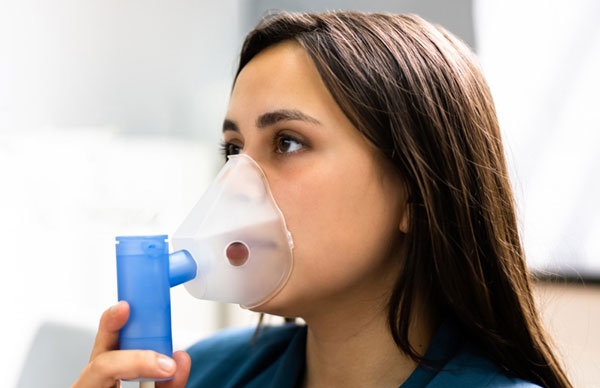
3. Respiratory Conditions
- Bronchodilators
- Inhalers for asthma
- Nebulization
- Steroids (when medically required)
4. Gastrointestinal Illnesses
- Oral rehydration solutions
- Probiotics
- Avoiding heavy, oily foods
Seek medical care if symptoms worsen.
How to Protect Yourself from Winter Illnesses
Prevention is the most effective strategy for winter health. Follow these medically recommended practices:
1. Get Vaccinated
- Annual flu vaccine
Vaccination significantly reduces the severity and risk of hospitalization.
2. Practice Good Hygiene
- Wash your hands frequently
- Avoid touching your face
- Sanitize surfaces regularly
- Cover your mouth when coughing
3. Strengthen Immunity
- Consume balanced meals rich in vitamins C and D, zinc, and antioxidants
- Stay hydrated (even in cold weather)
- Get adequate sleep
- Exercise moderately
4. Maintain Indoor Air Quality
- Ensure proper ventilation 0
- Use humidifiers in dry environments
5. Dress Warmly
Protect the nose and mouth in cold weather to reduce airway irritation.
6. Avoid Close Contact During Illness
If you are sick, isolate to protect others.
7. Manage Chronic Conditions Proactively
People with asthma, diabetes, heart disease, or weakened immune systems should follow their doctors’ winter care plans.
When to Seek Medical Attention
Seek immediate care if you or a loved one has:
- High fever for more than 3 days
- Severe cough or breathlessness
- Chest pain
- Persistent vomiting or dehydration
- Sudden confusion
- Symptoms are worsening instead of improving
Early medical intervention can prevent complications.
Conclusion
Winter illnesses are common, but with the right information and preventive care, they are manageable. Understanding symptoms, getting timely diagnoses, following effective treatments, and adopting preventive strategies can help you and your family stay safe throughout the season.
Hospitals and healthcare providers play a vital role in educating communities, offering vaccinations, providing diagnostic support, and delivering expert treatment for winter-related conditions.
Stay warm, stay healthy, and seek medical advice whenever in doubt.